
Pediatric Dental General Anesthesia in Alexandria, VA
When a child needs several fillings, a couple of crowns, and maybe an extraction, sitting through all of it in a dental chair can feel out of reach, for your child and for you. At Kind Roots Pediatric Dentistry, we offer general anesthesia for kids’ dental work to families in Alexandria, VA, so that care can happen in one calm visit while your child sleeps. Treatment takes place in a surgery center rather than our exam rooms, at the NOVA, Capital, and Baltimore Children’s Surgery Centers, where Dr. Mensah holds privileges. If a dentist has already mentioned anesthesia, or you suspect your child won’t manage a long appointment awake, you’re in the right place for clear, honest answers.
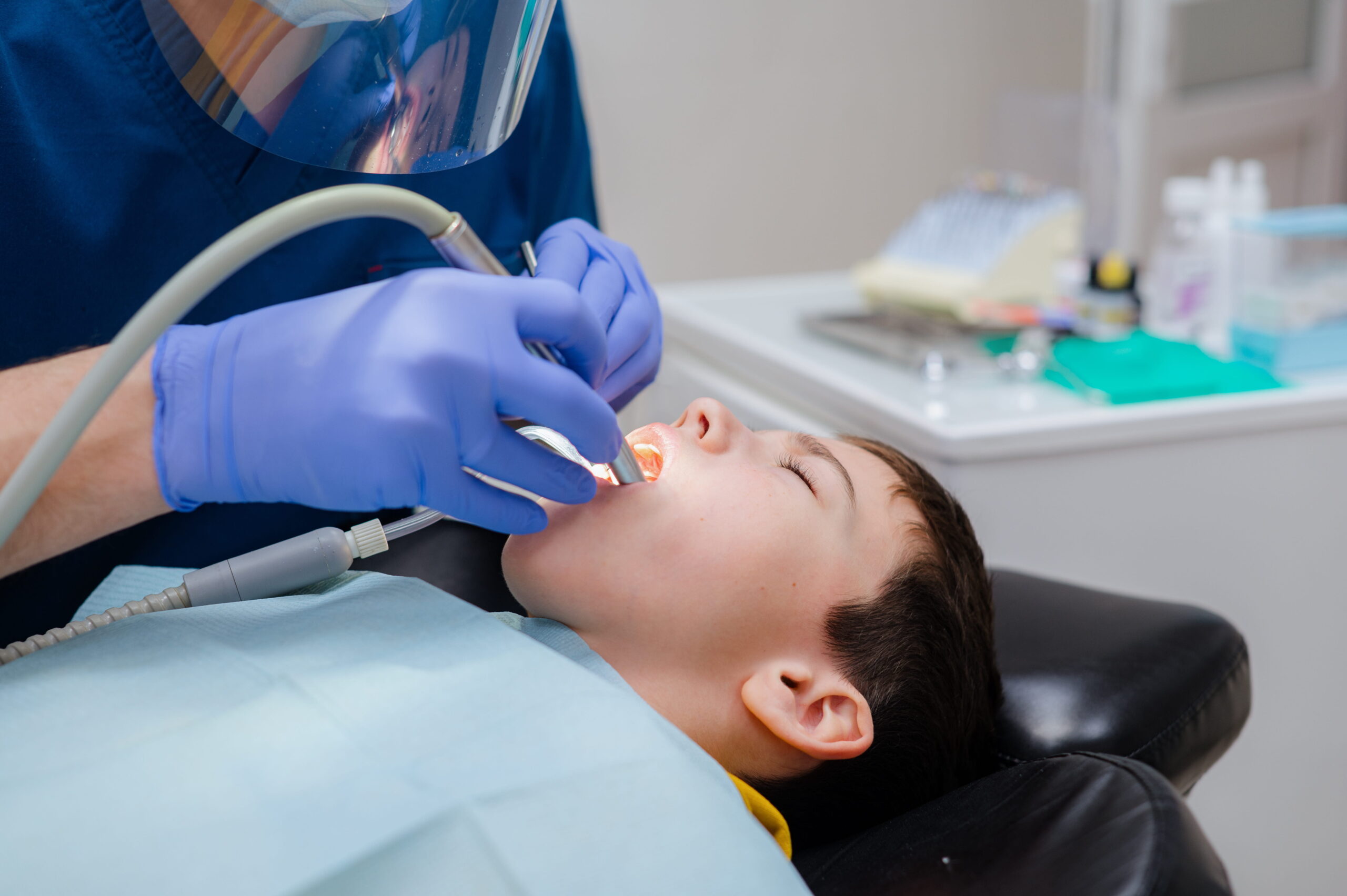
Under general anesthesia, your child is fully asleep and doesn’t feel, hear, or remember the treatment. An anesthesia provider at the surgery center manages the anesthesia and watches breathing, heart rate, and oxygen levels from start to finish while Dr. Mensah completes the dental work. Most children receive what’s called a full mouth rehabilitation, meaning every cavity, cracked tooth, and infected baby tooth is treated in the same session instead of across four or five separate visits. The dental portion often runs one to two hours, followed by time in a recovery area. For most kids it’s a one-time event, especially when prevention picks up afterward.
Choosing anesthesia is a big decision, and it shouldn’t feel rushed. Dr. Celeste Mensah completed a fellowship in dental anesthesia after her pediatric residency, so the dentist planning your child’s case understands the anesthesia side as well as the dental side. Her special patient care training at Helen Hayes Hospital and her Honors in Special Care Dentistry award matters here too, since many children who benefit from anesthesia have autism, sensory differences, or medical conditions that make a long appointment awake unrealistic. Her degree in psychology shapes how we prepare your child for the day, using simple, honest words instead of scary ones. And because everything is finished at once, your child skips the cycle of repeated stressful visits.
What Is General Anesthesia for Children’s Dental Treatment?
General anesthesia is a medically controlled state of deep sleep that lets a dentist complete treatment while your child is completely unaware and still. It’s the deepest level of sedation, well beyond the relaxed but awake feeling of laughing gas. Children’s dental treatment under general anesthesia is usually reserved for cases where the amount of work, a child’s age, or a medical or developmental need makes treatment while awake unsafe or unrealistic. Your child’s breathing is supported, monitors stay on the whole time, and your child wakes up gradually once the anesthesia medicines are stopped.
When Does a Child Need Dental Work Under General Anesthesia?
A child usually needs it when treatment can’t be done safely or comfortably while awake. The most common reasons we see include:
- Extensive decay across many teeth, often in toddlers and preschoolers
- Strong dental fear that hasn’t eased with gentle behavior guidance or laughing gas
- Special healthcare needs, such as autism, developmental delays, or sensory sensitivities
- Medical conditions that call for a closely monitored setting
- A strong gag reflex or real difficulty staying still for long periods
We look at your child’s whole picture first and talk through every option in our full range of children’s dental services before recommending anesthesia.
How Is General Anesthesia Different from Laughing Gas?
Laughing gas relaxes a child who stays awake, while general anesthesia puts a child fully to sleep. Nitrous oxide is breathed through a small nose mask, wears off within minutes, and works well for mild nerves during shorter visits. General anesthesia goes much further. Your child has no awareness of treatment, the anesthesia provider supports breathing, and recovery takes a few hours rather than a few minutes. Some parents call it sleep dentistry for kids, and that’s a fair description. Our page on pediatric sedation options explains where nitrous fits and when we step up to anesthesia.
Is General Anesthesia Safe for Kids?
Yes. General anesthesia has a strong safety record in children when it’s given by trained anesthesia providers in a properly equipped facility with continuous monitoring. Like any medical procedure it carries some risk, so safety work starts early. We review your child’s health history, medications, allergies, and any past reactions to anesthesia, and we may ask your pediatrician for a recent physical. On the day of care, monitors track heart rate, breathing, oxygen, and blood pressure the entire time. Parents often ask about brain development, too. Large studies of young children have found that a single, shorter anesthetic isn’t linked to lasting learning or behavior problems, which is one more reason we aim to finish everything in one visit.
Where Does Treatment Under General Anesthesia Take Place?
Your child’s treatment happens at a children’s surgery center where Dr. Mensah holds privileges, not in our office. Surgery center dental care means your child is in a setting built around anesthesia, with dedicated pre-op and recovery areas, an anesthesia team, and nurses experienced with children waking from anesthesia. Dr. Mensah’s privileges at these centers allow her to provide your child’s dental care there, so the dentist your child already knows is the one treating them. When we schedule, we’ll let you know which center your child will visit, when to arrive, and what to bring.
How Do I Prepare My Child for Anesthesia Day?
Good preparation comes down to following fasting instructions exactly and helping your child feel ready. We’ll give you individualized instructions, and in general you’ll:
- Stop food, milk, and most drinks at set times, since an empty stomach protects your child’s airway
- Tell us about every medication and supplement your child takes
- Call us if your child develops a cough, fever, or cold in the days before treatment
- Dress your child comfortably and bring a favorite blanket or stuffed animal
- Plan for one adult to focus fully on your child during the ride home
For younger kids, short and honest words work best, like “you’ll take a special nap while Dr. Mensah fixes your teeth.” Many families feel calmer once they understand what happens before, during, and after a child’s anesthesia.
What Happens on the Day of Treatment?
The day follows a predictable order, and you stay with your child for most of it. After check-in at the surgery center, a nurse takes vital signs and the anesthesia provider reviews your child’s health and answers your questions. Many children receive a calming medicine or drift off breathing sleepy air through a mask, so they’re relaxed before an IV is placed. Once your child is asleep, Dr. Mensah completes the planned treatment, which may include fillings, crowns, nerve treatment on baby teeth, and extractions. When the work is done, your child moves to recovery, and you’re brought back as they start to wake.
How Long Does Recovery Take?
Most children go home within an hour or two of waking and are back to their usual selves by the next day. Anesthesia recovery for children tends to follow a similar pattern:
- Drowsiness, fussiness, or extra clinginess for the rest of the day
- A scratchy throat or mild nausea that usually passes within hours
- Some tenderness around treated teeth, managed with the pain reliever we recommend
Start with clear liquids, move to soft foods as your child tolerates them, and keep the day quiet. Call our office with any concern, including a fever, vomiting that won’t stop, or trouble drinking.
Can Children with Special Healthcare Needs Receive Dental Care Under Anesthesia?
Yes, and for many of these children, anesthesia is the safest and kindest way to get complete dental care. Special needs dental anesthesia makes thorough treatment possible for a child who can’t tolerate a long appointment because of autism, sensory processing differences, cerebral palsy, or complex medical needs. Planning starts with you. Before the day, we ask about routines, triggers, comfort items, and how your child shows pain or distress, so the whole care team knows how to help. When it makes sense, a cleaning, x-rays, and treatment can all happen in the same session, which means fewer hard visits down the road.
How Much Does General Anesthesia for Kids’ Dental Work Cost?
The cost depends on how much treatment your child needs, how long anesthesia lasts, and the surgery center’s fees, so each family gets a personalized estimate after the exam. There are usually three parts to the bill: the dental treatment, the anesthesia provider’s fee, and the facility charge. Dental insurance often covers the dental work, while medical insurance may cover anesthesia and facility costs when treatment is medically necessary, which is common for very young children and kids with special healthcare needs. We’ll walk you through the estimate and what to ask each plan, so nothing catches you off guard.
Why Choose Kind Roots Pediatric Dentistry for General Anesthesia
Families trust us with pediatric dental anesthesia because every case is planned by a specialist who understands both the dental work and the anesthesia behind it.
- Diplomate of the American Board of Pediatric Dentistry
- Fellowship training in dental anesthesia
- Privileges at three children’s surgery centers
- Special care training and Honors in Special Care Dentistry
- A psychology background that guides how we prepare and reassure your child
Because we favor minimally invasive, prevention-first care, anesthesia is never automatic here. We recommend it only when it supports your child’s safety, emotional well-being, and a successful result.


Why Choose Kind Roots Pediatric Dentistry for Digital X-Rays
Families choose us because we treat imaging as a thoughtful decision, not a box to check. Dr. Celeste Mensah is a Diplomate of the American Board of Pediatric Dentistry with fellowship training in dental anesthesia and honors in special care dentistry. Parents appreciate:
- Individualized X-ray recommendations built around their child, never a blanket schedule
- A careful, ALARA-guided approach to radiation safety
- Psychology-informed support for anxious and sensory-sensitive kids
- Imaging that connects to our full range of children’s dental services, so findings lead straight to a gentle plan

Plan Your Child’s Treatment Day with Kind Roots Pediatric Dentistry
If your child has a lot of dental work ahead and an ordinary appointment just isn’t realistic, you don’t have to figure out the next step alone. Kind Roots Pediatric Dentistry helps families in Alexandria, VA, decide whether anesthesia is the right fit, then plans every detail with a dentist trained in both pediatric care and anesthesia. Request a consultation with our team to talk through your child’s needs, your questions, and what treatment day would look like.